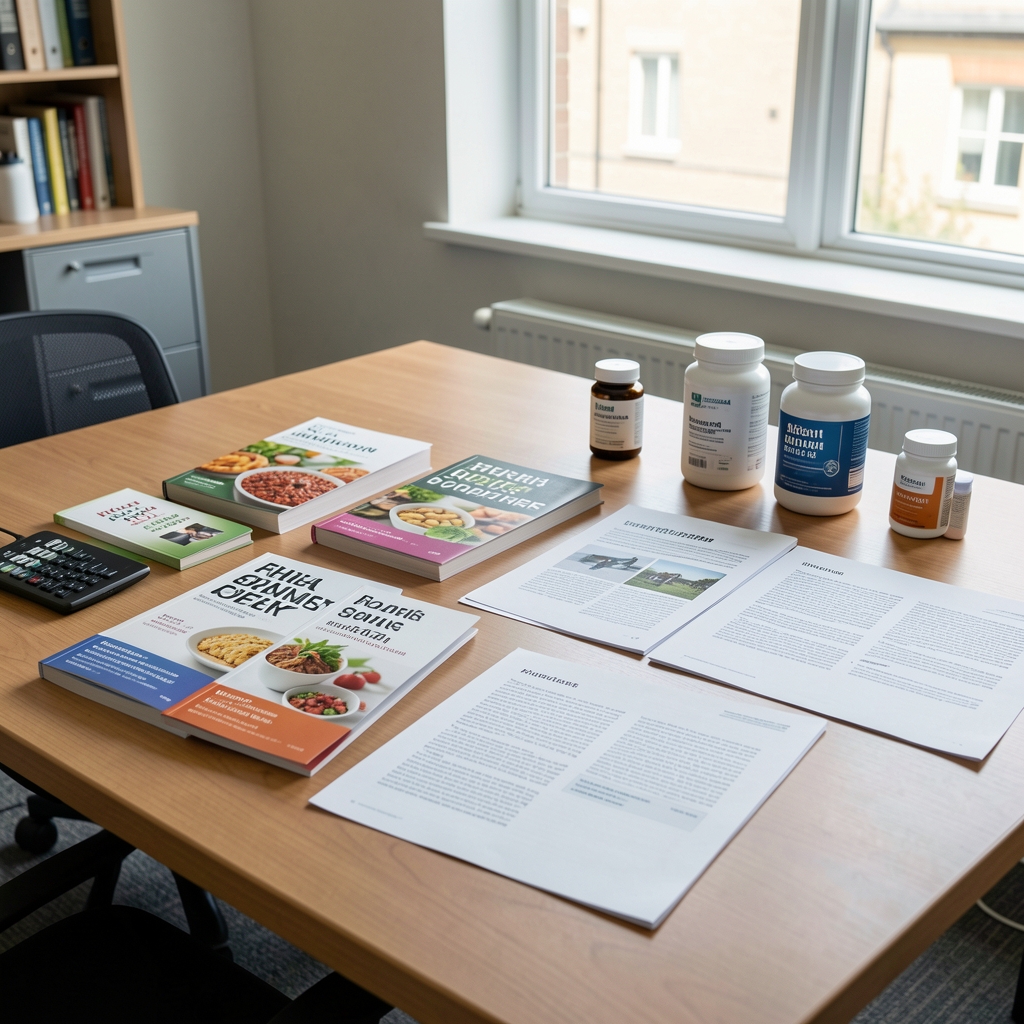
Tarenos Letters operates under a defined set of editorial principles — a framework for how articles are selected, reviewed, sourced, and published. This page records that framework in full.
Tarenos Letters operates under the following editorial principles: articles on men's supplement habits are reviewed by at least one second editor before publication, sources are cited where appropriate, corrections are noted publicly, and writers disclose any commercial relationships that could influence their selection of subject matter.
The journal was established to document the daily supplement and nutrition practices of active men in Indonesia, with particular attention to the Jakarta urban context where dietary habits are shaped by both local food culture and internationally observed nutritional patterns. Our editorial voice is documentary and observational rather than prescriptive.
Articles published on Tarenos Letters are editorial in nature and reflect the writers' observations on men's dietary supplement habits and active lifestyle routines. The content is not intended as professional health advice. Readers with specific health concerns are encouraged to speak with a qualified health professional.
Topics are drawn from two sources: published nutritional research relevant to active men, and field observations of supplement practices within the Indonesian context. Writers propose subjects based on observed patterns in men's daily nutrition and supplement use. Topics with clear connections to published, peer-reviewed nutritional literature are given editorial priority.
Content published by Tarenos Letters is selected based on published nutritional research and reviewed for editorial accuracy by a second editor before publication. Writers are required to note their primary sources within the article or in an accompanying reference section. Where published nutritional data is cited, the original source is referenced directly. Sources from commercial supplement brands are treated with additional editorial scrutiny.
Every article undergoes a structured second-editor review before publication. This review covers factual accuracy in nutritional claims, appropriate framing of supplement roles, and tone consistency with the journal's documentary register. Reviewers flag any language that implies health outcomes, and writers revise accordingly. The review process typically spans two to four working days.
Tarenos Letters is an independent editorial publication covering men's dietary supplement habits, daily nutrition awareness, and active lifestyle practices. The publication is not affiliated with any commercial, governmental, or institutional body. Writers are required to disclose any commercial relationships with supplement brands, distributors, or nutrition companies. Disclosed relationships are noted at the base of the article. Articles where a writer has an undisclosed relationship with a featured brand are removed from the archive upon discovery.
Corrections to published content are made publicly and noted within the article with a timestamped correction note. Factual errors in nutritional data are prioritised for correction within 48 hours of identification. Readers may submit correction requests via the contact page. The editorial team reviews all flagged content within five working days.
Articles reference peer-reviewed nutritional journals and published dietary surveys where available. Specific journals referenced include those covering human nutritional science, sports nutrition observation, and micronutrient research in South-East Asian populations.
Indonesian national nutritional surveys, regional dietary pattern studies, and internationally recognised nutritional reference values are used as contextual benchmarks. These sources inform the Indonesian-specific framing of supplement observations rather than serving as primary claims.
Some articles are drawn from direct field observations of supplement routines among active men in Jakarta and surrounding areas. Field observation pieces are clearly labelled as documentary content and distinguished from research-review articles. Anonymised participation is the standard for field documentation.
Tarenos Letters does not publish articles that assert supplement outcomes as health conclusions. The journal documents observed patterns, nutritional context, and editorial perspectives on men's daily supplement use. Writers are instructed to use language that reflects observation and documentation rather than certainty.
The following framing conventions are observed across all published content: supplement roles are described in terms of nutritional contribution and dietary context, not health outcomes; micronutrient functions are referenced as established nutritional science rather than personal performance claims; and active lifestyle observations are recorded as patterns rather than prescriptive advice.
"We recommend speaking with a qualified health or nutrition professional before introducing any new supplement or dietary change into your daily routine, particularly if you have any existing health considerations."
This position is stated consistently across all editorial content. It represents the journal's acknowledgement that individual nutritional needs vary and that editorial observation is not a substitute for personalised nutritional guidance.
Article draft submitted to second editor. Initial read for overall framing and completeness.
Detailed review of nutritional claims, source verification, and commercial disclosure check.
Revision requests returned to writer. Revisions completed and confirmed by second editor.
Final approval and scheduled publication. Date stamped on article at point of publication.
Three featured articles documenting men's daily supplement habits, nutrition observations, and active lifestyle practices from Jakarta, 2026.