
Active Lifestyle
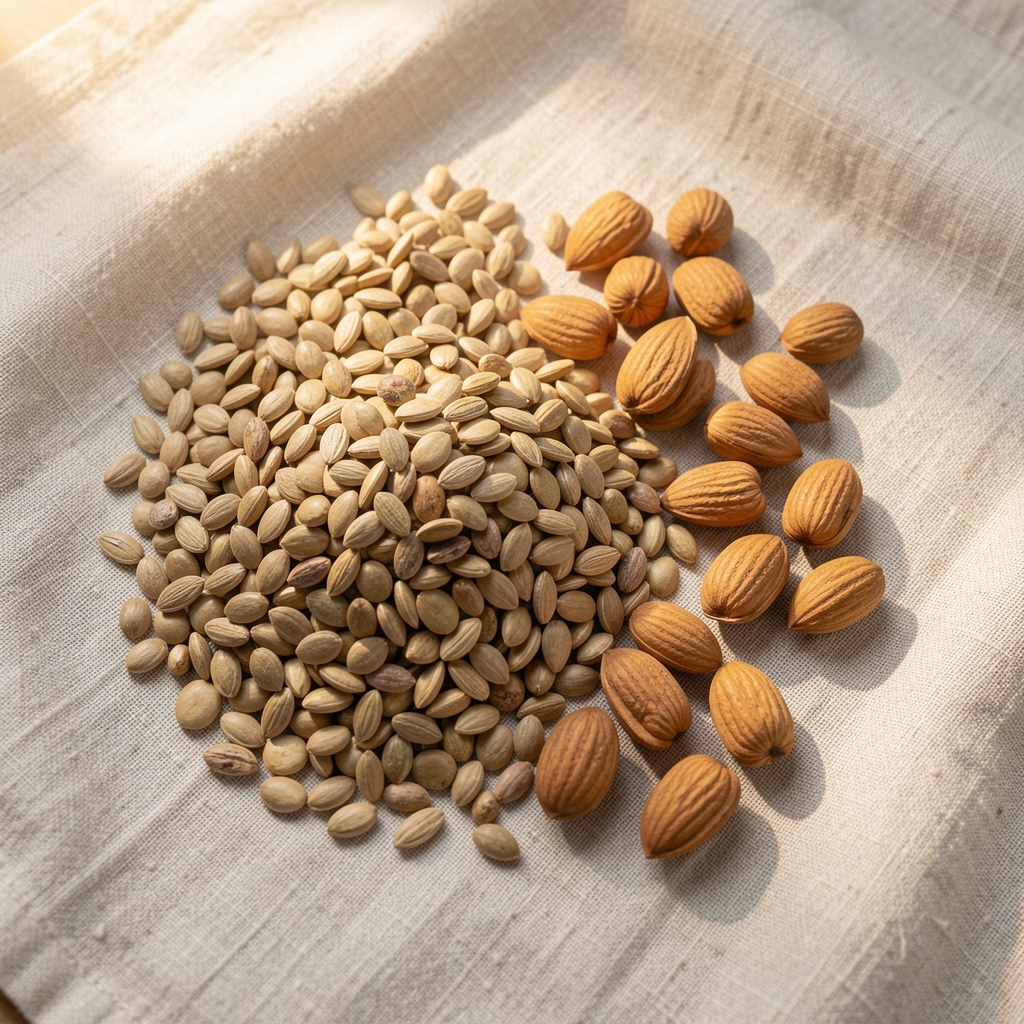
Jakarta, January 2026 — Two minerals surface repeatedly in published nutritional research oriented toward active men: zinc and magnesium. Their presence in everyday Indonesian diets varies considerably depending on food preparation habits, income, and urban versus rural contexts. This editorial documents how they appear in practice and what published literature notes about their role in men's daily nutritional balance.
Zinc is one of the more widely discussed minerals in men's nutritional literature. Its presence in animal protein sources — particularly red meat, shellfish, and poultry — makes it accessible in principle, though actual intake among active Indonesian men varies considerably. National nutrition surveys conducted in recent years suggest that zinc intake among urban adult males tends to sit below the published adequate intake levels defined by the Indonesian Ministry of Health.
In a predominantly rice-based diet, where legumes and seeds appear as supplementary rather than primary protein sources, the absorption rate of zinc from plant-based sources is an additional variable to account for. Phytic acid — naturally present in grains, legumes, and some seeds — binds to zinc and reduces its bioavailability. This is a documented pattern in nutritional literature and is especially relevant for men whose daily diets lean heavily on plant-based proteins.
The editorial position of Tarenos Letters is not to prescribe dietary changes, but to document observed nutritional patterns and make them legible. What the published literature consistently notes is that zinc contributes to daily nutritional balance and is found in meat, seeds, and legumes. Whether a daily supplement fills observed dietary gaps is a question the active man is in the best position to consider — ideally in conversation with a qualified nutrition professional.
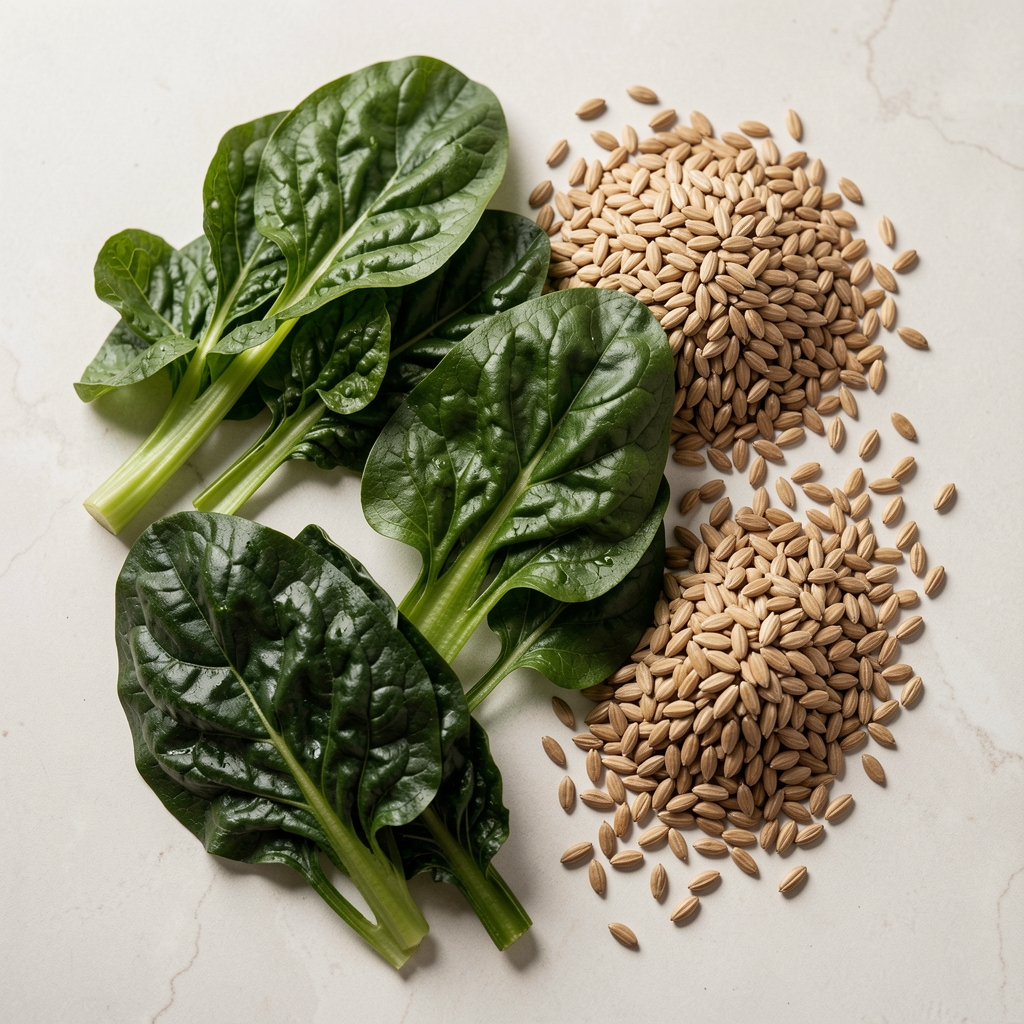
Magnesium draws considerable attention in supplement literature oriented toward active men. The reason, according to published nutritional research, is that physical activity and perspiration influence magnesium depletion patterns in the body. For men in Jakarta — where outdoor activity and exercise in high-humidity environments is the norm for a significant portion of the active population — this observation carries practical relevance.
The published literature associates magnesium with muscle function awareness and energy balance, noting that the mineral is found in nuts, leafy greens, and whole grains. In the Indonesian diet, dark leafy vegetables such as kangkung and bayam are traditional sources. However, the degree to which modern urban eating patterns preserve these sources in adequate daily quantities is a question the editorial team at Tarenos Letters continues to track through reader documentation and publicly available nutritional surveys.
One pattern noted in both Indonesian and broader Southeast Asian nutritional research is the shift toward more processed food consumption in urban male diets over the past decade. Processed food preparation often reduces the mineral content of ingredients, and this is relevant when attempting to estimate actual magnesium intake from diet alone. The gap between theoretical dietary magnesium and what is practically consumed is wider than simple food composition tables suggest.
"The gap between theoretical dietary intake and what is practically consumed in urban Indonesian routines is a recurring observation across nutritional literature on active men." — Tarenos Letters, Jakarta Field Notes, January 2026
In conversations with active men in Jakarta conducted over the period leading up to this article's publication, a recurring pattern emerged: most were familiar with the names "zinc" and "magnesium" in a supplement context, but fewer could articulate what dietary sources they regularly consumed or how their daily intake compared to published reference levels. This is not a criticism — it reflects the complexity of translating nutritional awareness into daily practice.
Those who had incorporated zinc and magnesium supplements into their daily routine cited improved consistency in their energy habits, better sleep patterns, and a sense of nutritional completeness. These observations are subjective and anecdotal, but they are consistent with the broader pattern of men's supplement editorial documentation that Tarenos Letters tracks. Anecdote is not evidence, but documented observation at scale begins to form a picture worth examining.
The supplement formats observed most commonly were standalone zinc capsules, magnesium glycinate, and combination mineral complexes. Several men reported starting with a general multivitamin for men before narrowing their focus to zinc and magnesium after reading nutritional literature about their specific roles.
A recurring point of discussion in men's supplement editorial circles is whether to approach zinc and magnesium through a complete mineral complex or as individual daily supplements. The published nutritional literature does not prescribe a universal answer — the choice depends on the individual's existing dietary baseline, activity level, and which specific micronutrient gaps are present.
What is documented in nutritional research is that certain mineral combinations influence each other's absorption. Calcium and zinc, for example, can compete for the same absorption pathways when taken simultaneously in high quantities. Magnesium and vitamin D, by contrast, have a noted complementary relationship in published literature. These interactions are relevant to anyone designing a daily supplement routine and represent the kind of evidence-informed detail that distinguishes purposeful supplementation from routine consumption.
The editorial perspective of this publication is that a well-structured daily supplement routine for active men should begin with a documented understanding of the individual's dietary baseline. We recommend speaking with a qualified health or nutrition professional before introducing any new supplement or dietary change into your daily routine, particularly if you have any existing health considerations.
The Indonesian food landscape contains several strong natural sources of both zinc and magnesium. Tempe and tahu — fermented soybean products that are dietary staples — contribute to zinc intake, and the fermentation process partially reduces phytic acid content, which improves bioavailability compared to raw soy. Kacang hijau (mung beans) and various types of kacang tanah (peanuts) appear in traditional dishes and street food across Java.
For magnesium, bayam (spinach), kangkung (water spinach), and various locally available nuts provide dietary sources that align well with published nutritional reference ranges. The challenge in urban Jakarta is frequency and preparation — traditional mineral-rich foods are available but tend to appear less regularly in the diets of busy working men than in more traditional household settings.
This gap between availability and consistent daily consumption is precisely where the editorial interest of Tarenos Letters is focused. The observation is not a commercial argument for supplements — it is a documentation of a real nutritional pattern that active Indonesian men navigate daily.
Articles published on Tarenos Letters are editorial in nature and reflect the writers' observations on men's daily supplement habits and active lifestyle routines. The content is not intended as professional health advice. Readers with specific health concerns are encouraged to speak with a qualified health professional.

Ryan Santoso has spent five years documenting men's daily nutrition habits across urban Indonesia. His editorial work at Tarenos Letters focuses on the practical realities of supplement routines — noting what active men actually consume versus what nutritional research observes. Based in Jakarta.
More from this author →